
Optimal Timing for Lawn Mowing
Determining the best time for lawn mowings depends on various factors including grass type, weather conditions, and growth rate. Regular mowing promotes healthy turf, controls pests, and enhances the aesthetic appeal of the landscape.
Mowing in the early morning when grass is dry helps achieve a clean cut and prevents disease.
Late afternoon mowing allows grass to recover before nightfall, promoting healthy growth.
During peak growing seasons, mowing may be needed weekly, while in slower periods, bi-weekly mowing suffices.
Avoid mowing during rain or when grass is wet to prevent damage and uneven cuts.
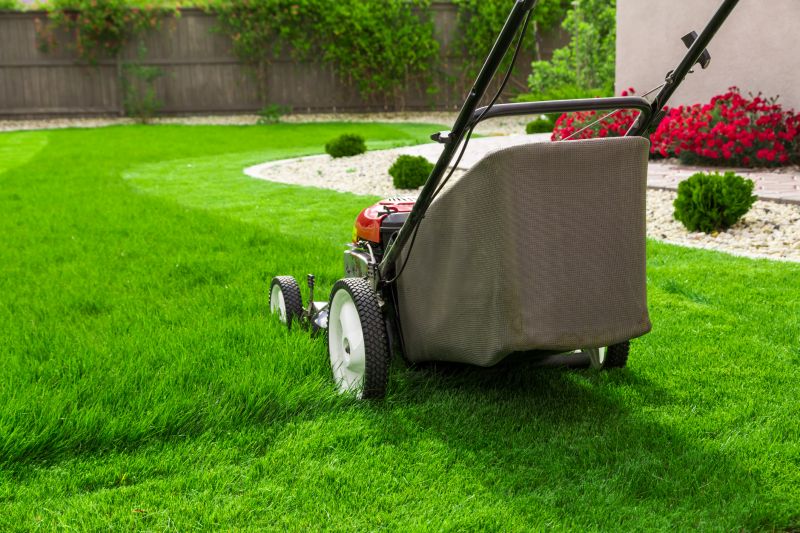
Spring is a key time for regular mowing to promote healthy growth after winter dormancy.
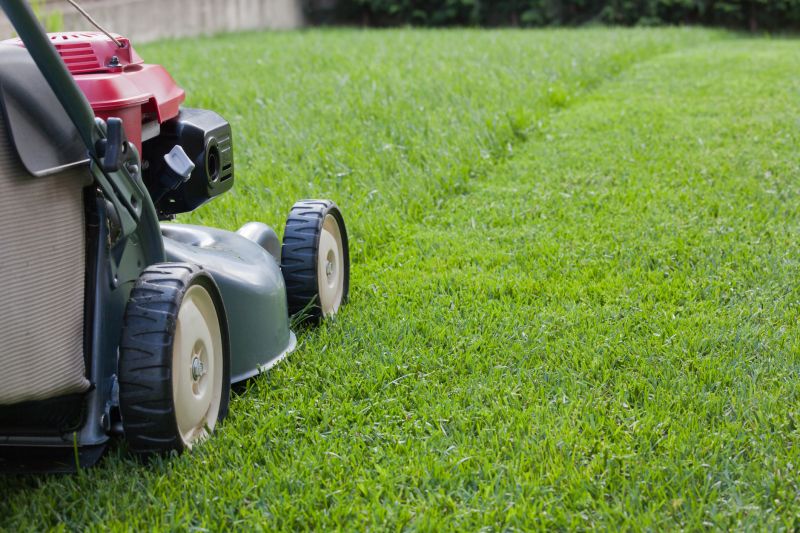
During summer, mowing frequency may increase to manage rapid growth and prevent heat stress.
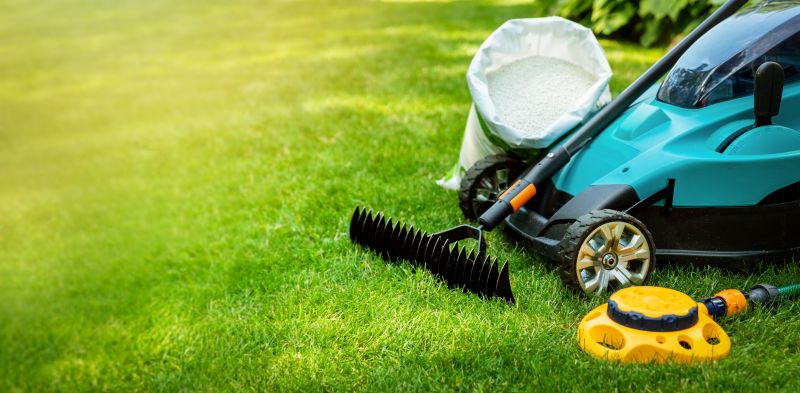
Fall mowing helps prepare the grass for winter, reducing thatch buildup.
| Season | Recommended Mowing Practice |
|---|---|
| Spring | Mow frequently to encourage new growth, maintaining 2.5 to 3 inches in height. |
| Summer | Mow regularly, keeping grass at 3 inches to prevent heat stress. |
| Autumn | Reduce mowing frequency; aim for 2.5 inches before winter. |
| Winter | Mowing is generally not necessary unless in mild climates. |
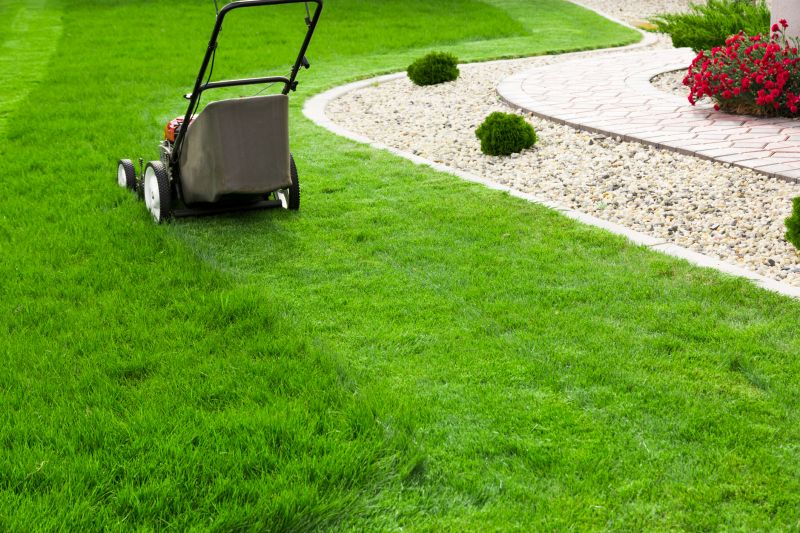
A well-maintained lawn with even cut lines and uniform height.
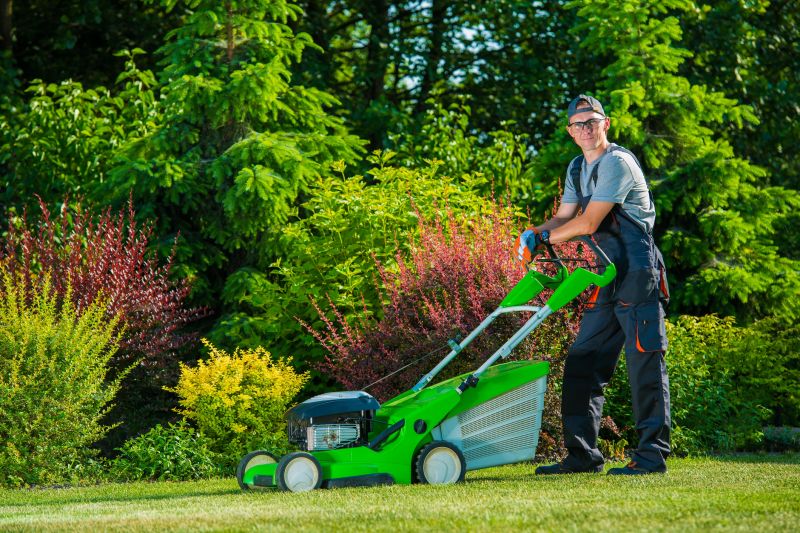
Using sharp blades ensures clean cuts and reduces turf damage.
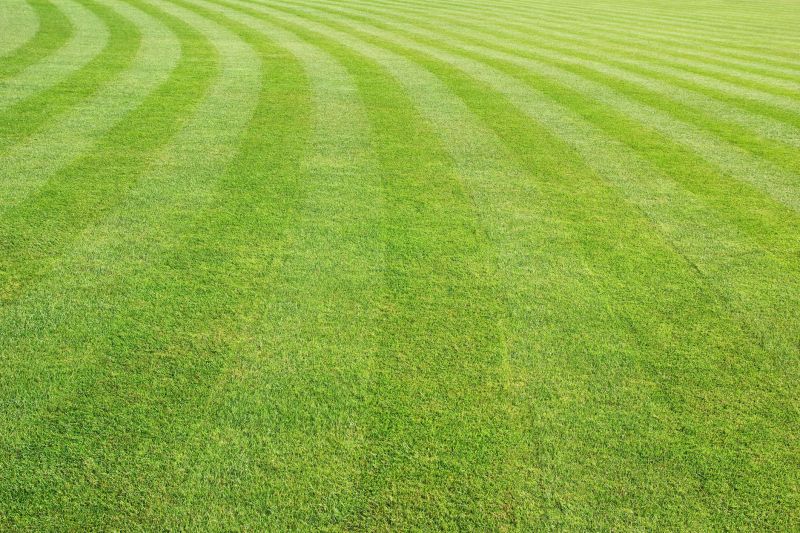
Understanding growth patterns helps optimize mowing schedules.
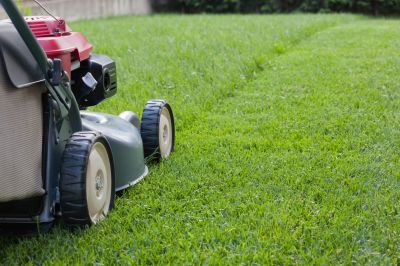
Proper tools are vital for efficient and effective lawn mowings.
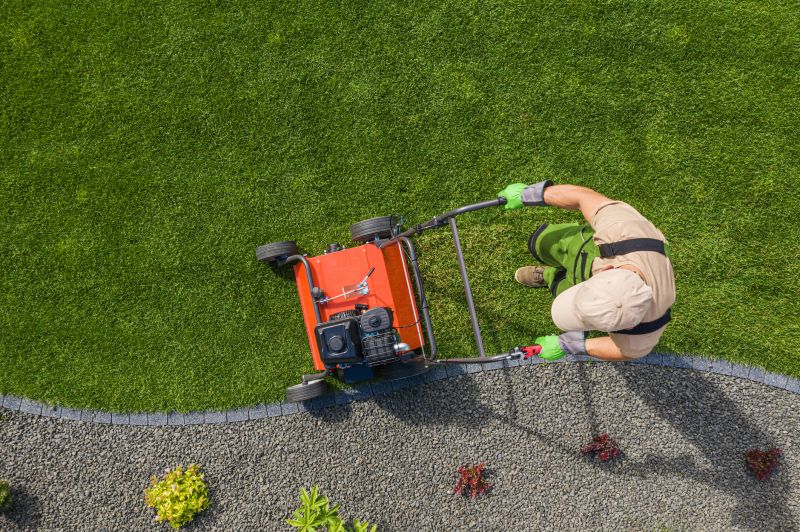
Ways to make Lawn Mowings work in tight or awkward layouts.

Popular materials for Lawn Mowings and why they hold up over time.
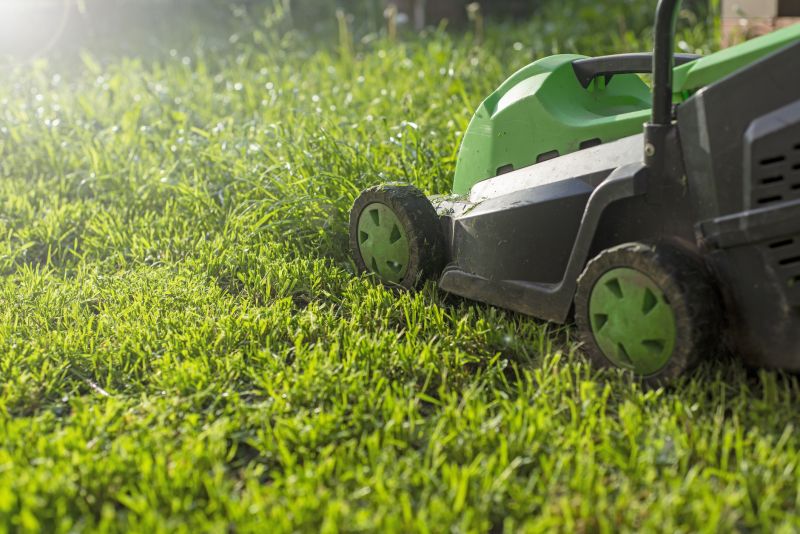
Simple add-ons that improve Lawn Mowings without blowing the budget.

High-end options that actually feel worth it for Lawn Mowings.
For those interested in professional lawn mowings, filling out a contact form can provide tailored scheduling options to keep lawns healthy and visually appealing throughout the year.